
Prenatal Tea Infusion Recipe
Many midwives recommend drinking NORA tea during pregnancy for its many benefits. This herbal tea infusion is a wonderful way to support uterine health, provide essential vitamins, and boost mineral intake. NORA tea gets its name from the four core ingredients: Nettle, Oatstraw, Raspberry Leaf, and Alfalfa. NOA tea (without red raspberry leaf) can be enjoyed outside of pregnancy for its nutrient-dense properties.
It is important to use organic ingredients whenever consuming infusions, tinctures, or tonics. Since this drink is consumed so frequently throughout pregnancy and as a strong infusion, it is important that these plants have not been contaminated with pesticides or other toxins. Always purchase herbs from a reputable organic herbal shop or use products with the USDA Certified Organic label.
Every woman receiving care at Born Free Family will recieve a bag of NOA and NORA tea in their welcome package. NOA tea can be enjoyed at any time. It is recommended to drink 1-2 cups of NORA tea per day starting around 16 weeks, increasing to 1 quart per day by 36 weeks. This can be included in your daily fluid intake, but please remember to include plenty of other water and electrolytes every day!
See instructions on how to prepare at the bottom of this page.
Nora Herbal Tea
This tea is made as an infusion to extract the full range of vitamins and minerals from the herbs. While black, white, and green teas only require a few minutes to steep to extract flavor and caffeine, medicinal teas are steeped for several hours, usually overnight. This is necessary for vitamins and minerals to be fully broken down and absorbed into the water.
Ideally, drink 1-2 cups per day. In the last month of pregnancy, increase the amount you drink to 1 quart a day.
Nettle Leaf
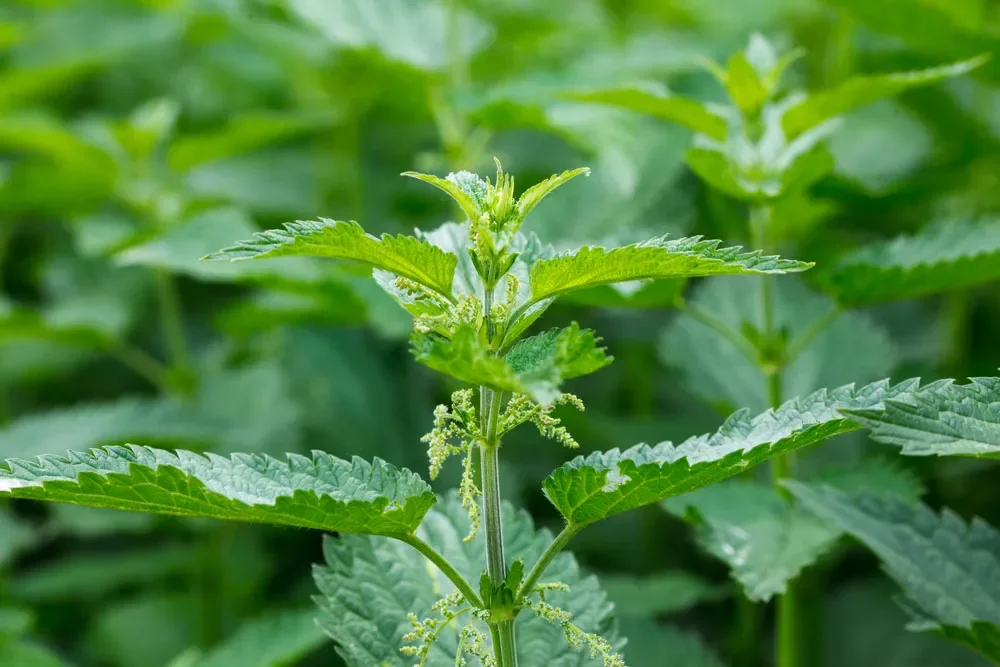
Stinging nettle leaf (Urtica dioica) is a highly nutritious, wild-harvested herb used for centuries in traditional medicine. It is valued for its anti-inflammatory properties, high antioxidant content, and rich concentration of vitamins and essential minerals. Nettle leaf acts as a blood builder and nutritional tonic, helping to prevent anemia and boost energy. It is an excellent source of highly absorbable calcium, iron, magnesium, and potassium, as well as vitamins A, C, and K. Nettle leaf may also stimulate nitric oxide production, acting as a vasodilator that relaxes blood vessels to help lower blood pressure. It also contains compounds that mimic insulin, helping to support stable blood sugar control.
Oatstraw

Oatstraw is the dried stem and leaf of the common oat plant (Avena sativa), usually harvested while the grass is still young and green. It is widely used in herbal medicine and teas for its restorative, nutrient-dense profile and ability to support the nervous system. It acts as a natural mineralizer, containing high amounts of calcium, magnesium, silica, iron, and B vitamins. It also contains unique antioxidants called avenanthramides, which help combat chronic inflammation and reduce oxidative stress throughout the body. Research suggests that oatstraw can boost cognitive focus, memory, and attention by increasing blood flow to the brain and preventing the decline of dopamine levels.
Red Raspberry Leaf
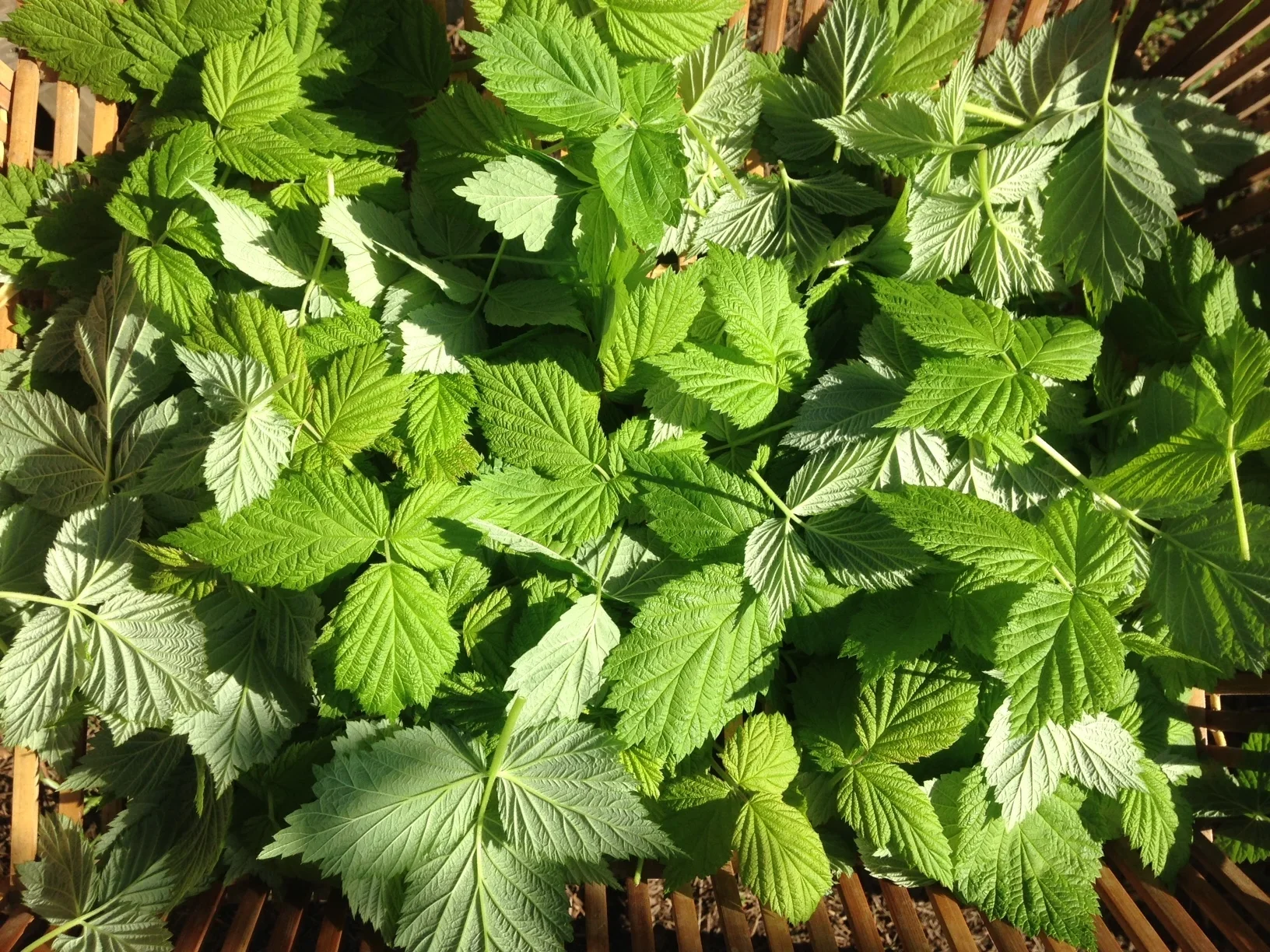
Red raspberry leaf (Rubus idaeus) is an herbal remedy brewed from the dried leaves of the red raspberry plant rather than the fruit itself. For centuries, traditional medicine and midwifery have relied on it as a uterine tonic to support female reproductive health, ease menstruation, and prepare the body for childbirth. The leaves act as an excellent nutritional foundation. Red raspberry leaf is naturally rich in vitamins A, C, E, and B-complex vitamins, as well as vital minerals such as iron, calcium, magnesium, potassium, and zinc. It also contains polyphenols such as ellagic acid and tannins that neutralize free radicals and combat systemic inflammation.
Alfalfa Leaf

Alfalfa leaf (Medicago sativa) is an incredibly deep-rooted perennial herb belonging to the legume family. Historically dubbed the "father of all foods" by ancient Arabic cultures for its resilience and nutritional value, it can grow its roots dozens of feet into the ground to draw up an exceptional density of minerals that shallow-rooted plants cannot reach. Alfalfa leaf is incredibly high in protein and amino acids compared to other herbs. It provides a comprehensive profile of vitamins A, C, D, E, and K, as well as iron, calcium, magnesium, potassium, and phosphorus. Alfalfa leaf slows down glucose absorption in the gut and supports the metabolic system by improving insulin sensitivity and regulating fasting blood sugar levels.
Benefits of Nora Tea
Tones Uterine Muscles
The red raspberry leaf contains the alkaloid fragarine, which helps strengthen and tone the uterus, but not in the way you might think. Instead of making the muscle squeeze harder, fragarine relaxes the muscle fibers and dampens erratic, spasmodic twitching. Calming uncoordinated contractions allows the uterine muscle to rest and reset. This is likely why herbalists historically viewed it as a "toner"—it helps the muscle find a steady, resting rhythm rather than cramping unproductively. This preparation makes labor contractions more coordinated and efficient, potentially shortening the length of labor and the pushing phase.
Fragarine doesn't work alone. Red raspberry leaves are packed with ellagitannins and flavonoids. These compounds have strong astringent properties, meaning they cause tissues to tighten and contract at the cellular level. This combination is what "trains" the uterus, preparing it to exert more coordinated force when true labor begins.
Builds Blood & Fights Anemia
Pregnancy requires a woman’s blood volume to expand by nearly 50%! Because the body expands its liquid plasma volume faster than it can manufacture new red blood cells, the blood can easily become diluted. This results in a natural dip in hemoglobin concentration, and if red blood cell production cannot keep pace, intense exhaustion kicks in. Nettle and alfalfa leaves can help counter this drop by providing high concentrations of iron, vitamin C, and chlorophyll to support hemoglobin production, helping prevent gestational anemia and exhaustion.
Typically, plant-based iron sources are difficult for the body to absorb because the human digestive tract absorbs it at a much lower rate than iron from meat. Both nettle and alfalfa are rich in vitamin C, which increases iron absorption. Vitamin C changes the molecular structure of non-heme iron from the ferric (Fe3+) state to the ferrous (Fe2+) state. Ferrous iron is highly soluble and easily absorbed by the small intestine, significantly increasing the amount of iron that actually makes it into your bloodstream to build hemoglobin.
Reduces Postpartum Bleeding
Alfalfa is rich in vitamin K, which is essential for the synthesis of blood-clotting proteins in the liver. By consuming alfalfa during pregnancy, mothers can safely optimize their blood's natural clotting capabilities, which act as a traditional preventative measure against excessive bleeding. Boosting your vitamin K stores during pregnancy helps prevent postpartum hemorrhage and speeds up internal tissue healing.
Soothes Anxiety and Nervous System
Oatstraw is rich in magnesium, B vitamins, and silica, which help soothe physical stress and alleviate pregnancy-related mood swings. Lab studies show that green oat extracts contain unique polyphenolic antioxidants called avenanthramides. These compounds help inhibit an enzyme called phosphodiesterase type 4 (PDE4) in immune and nervous cells. Inhibiting PDE4 has been heavily linked to reduced levels of anxiety, lower systemic inflammation, and a better biological ability to cope with mental stress.
Oatstraw supports deeper, more restful sleep by prompting the brain to produce alpha brain waves—the electrical patterns associated with a deeply relaxed flow state. Shifting the autonomic nervous system from sympathetic (fight-or-flight) to parasympathetic (rest-and-digest) lowers the nighttime cortisol baseline. This allows women to drift into deep, restorative slow-wave sleep without waking up every time they need to shift positions. It also helps women fall back asleep more easily after those frequent nighttime bathroom trips.
Prevents Muscle Cramps
The high levels of bioavailable calcium, magnesium, and potassium in this blend can help balance the body's electrolytes. This minimizes the sudden, painful leg cramps common in the second and third trimesters. Every time you move your leg, your nerve cells send an electrical signal that triggers an exchange of electrolytes across the muscle cell membrane: Calcium is the "on" switch. It floods into the muscle fibers, causing them to bind together and contract. Magnesium is the "off" switch. It actively competes with calcium, preventing it from binding to the muscle fibers so the fibers can relax. Potassium acts as the stabilizer. It resets the muscle cell’s electrical charge. With blood volume expanding and a growing baby drawing heavily on mineral stores, a localized shortage of these electrolytes can cause muscle cells to easily get stuck in the "on" position, resulting in a sudden, excruciating cramp.
Strengthens Blood Vessels & Tissues
The combination of nutrients improves blood vessel elasticity. This can lessen the severity of pregnancy complaints like hemorrhoids, varicose veins, and swelling. A common observation among midwives is that mothers who consistently drink NORA herbal infusions tend to have highly resilient, strong amniotic sacs, which can decrease the likelihood of premature rupture of membranes. The amniotic sac is a complex, living tissue membrane composed almost entirely of collagen. To build and maintain strong collagen cross-links, the body requires a steady supply of specific structural cofactors: vitamin C, silica, and zinc.
Supports Postpartum Milk Supply
NORA tea supports milk production by providing the baseline fluid, raw nutrients, and nervous system support required to sustain it. This infusion acts as a natural, sugar-free electrolyte fluid. It hydrates the maternal body far more deeply than plain water, providing the high fluid volume required to produce plasma, the literal fluid foundation of breastmilk. Plus, alfalfa and nettle are both natural galactagogues, meaning they help establish and maintain a healthy, nutrient-dense breast milk supply after birth.
The hormone responsible for the letdown reflex (squeezing milk out of the ducts) is oxytocin. However, adrenaline and cortisol (stress hormones) are antagonists to oxytocin. If a mother is exhausted, anxious, or trapped in a state of sleep-deprived physical stress, her adrenaline levels can physically block oxytocin from doing its job, trapping the milk inside the breasts and signaling the body to slow down production. The nervous system’s calming effects of oatstraw help by lowering systemic stress and cortisol, to clear the path for oxytocin to flow freely.
How to Prepare
Preparing NORA Tea Infusion:
1. Use a mix of even amounts of dried organic nettles, oat straw, red raspberry leaf, and alfalfa.
2. Scoop 1/4 cup of loose-leaf tea into a 32-oz glass mason jar. Alternatively, you can use a loose-leaf teapot if you have one.
3. Boil 4 cups of water and pour it over the leaves in the jar or teapot.
4. Make sure all of the leaves are drenched & mixed well in the water. Cover the jar with a lid.
5. Place the tea in the refrigerator after it has cooled a bit. Let it steep overnight.
6. In the morning, you will have a very strong infusion of NORA tea. Use a fine strainer over a glass to catch the loose herbs as you pour the tea.